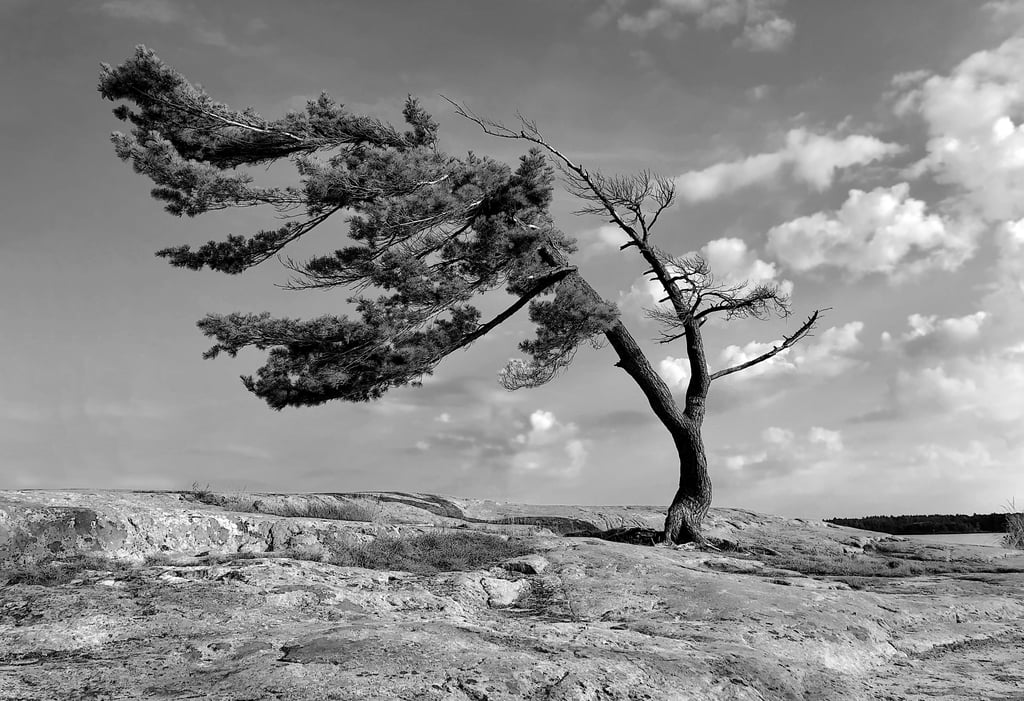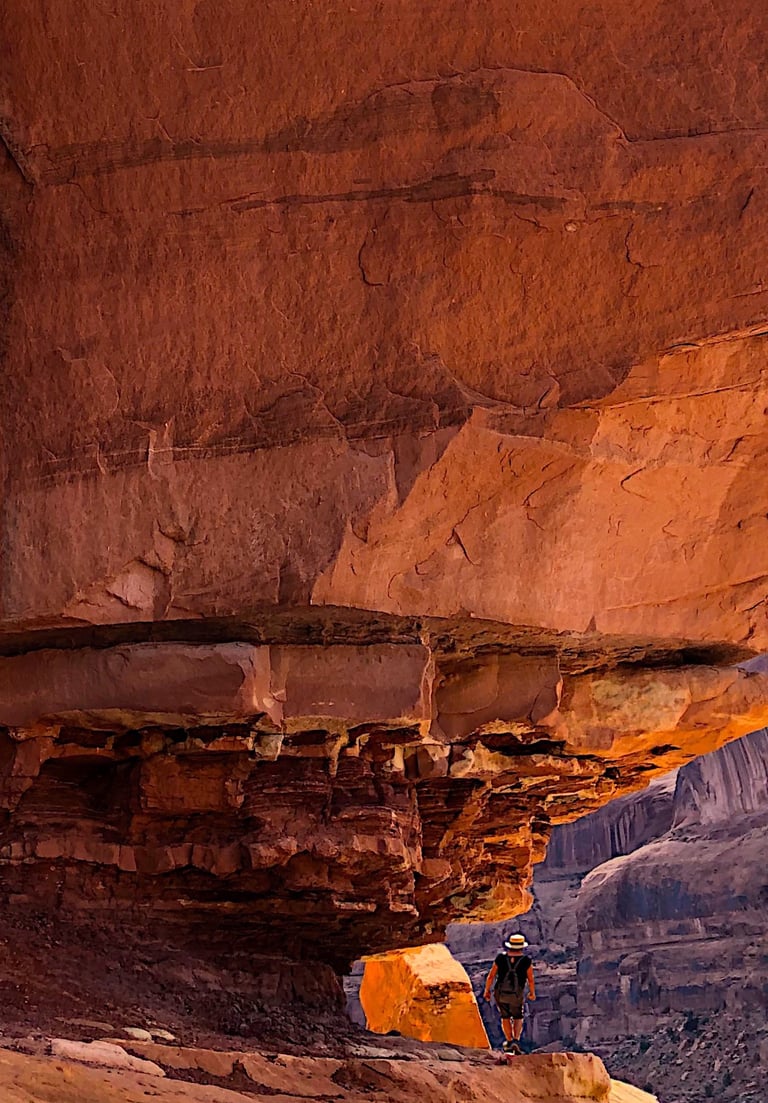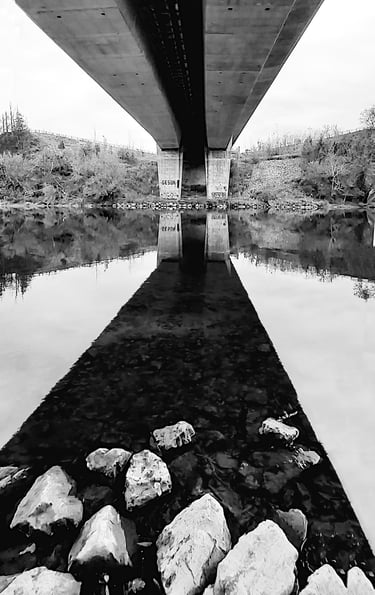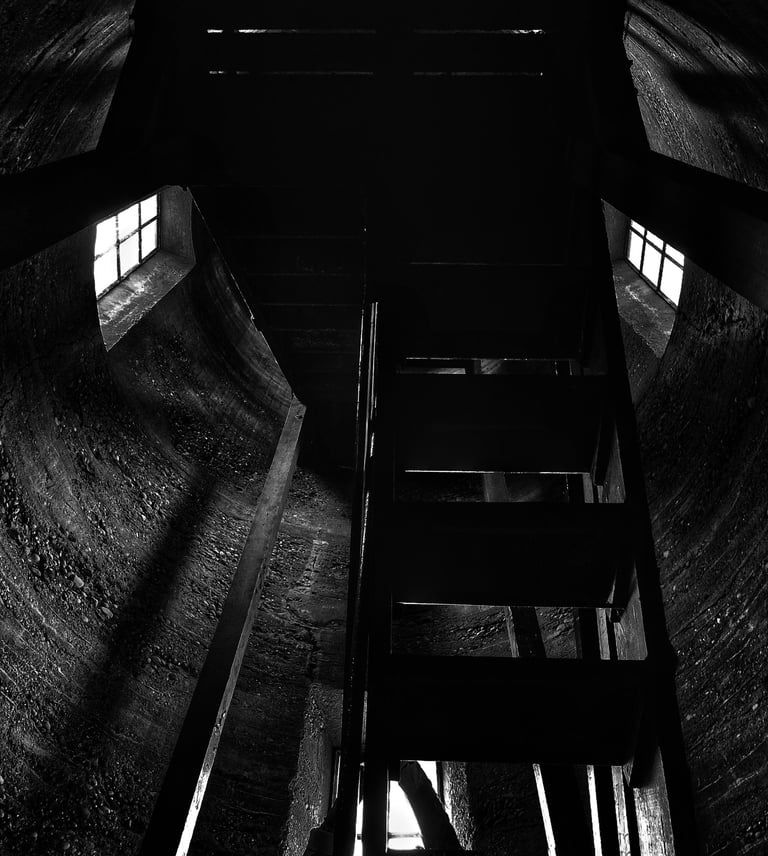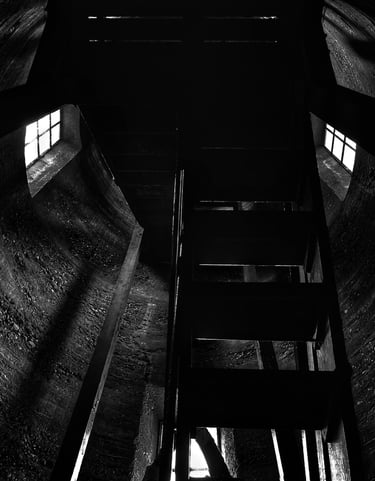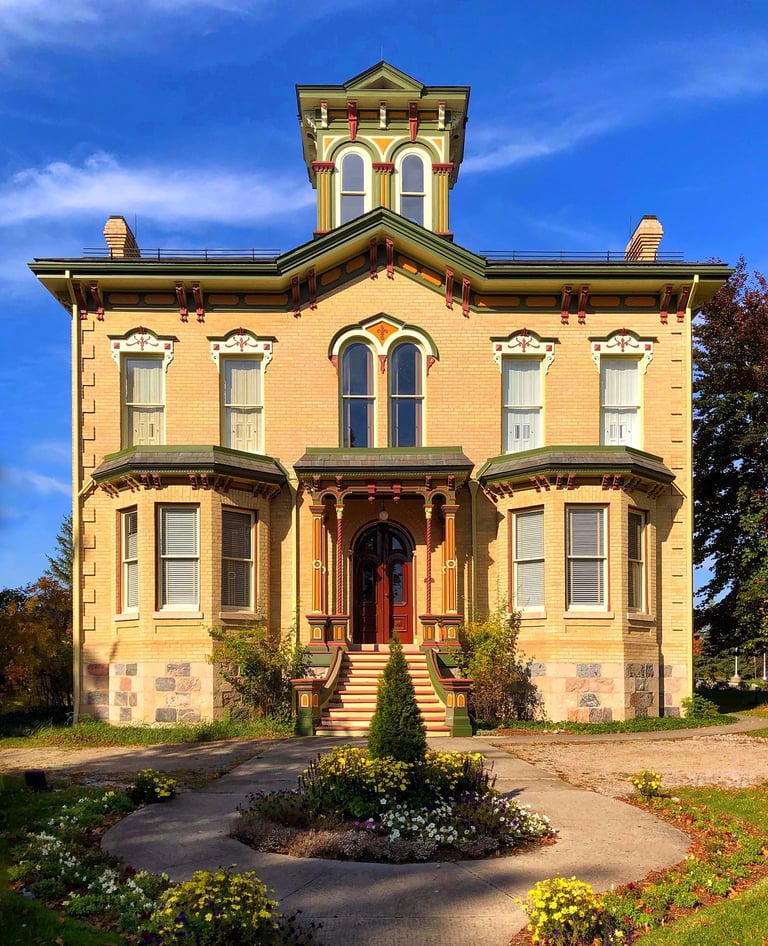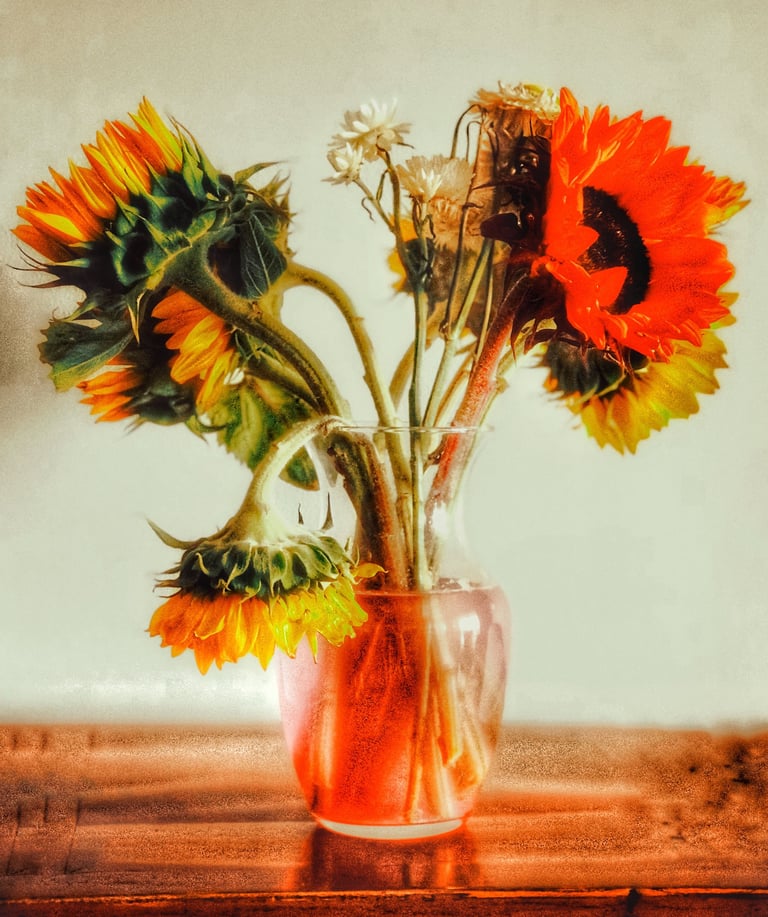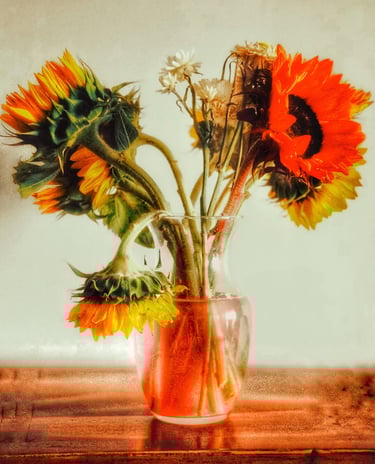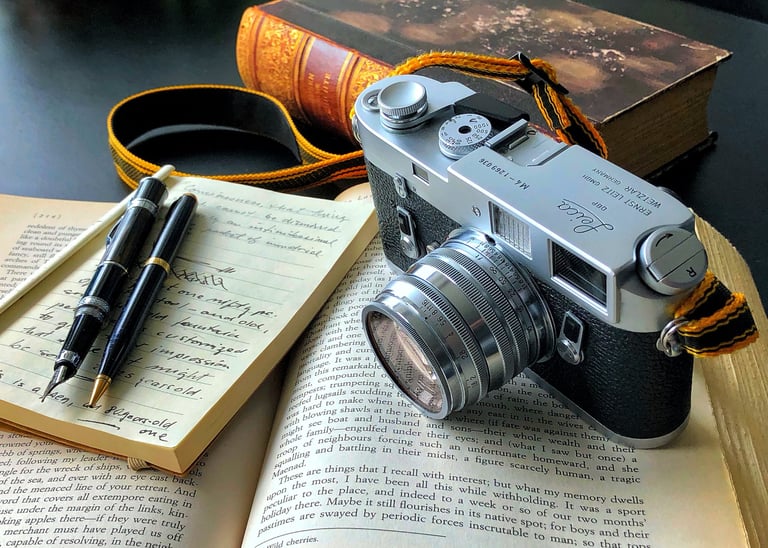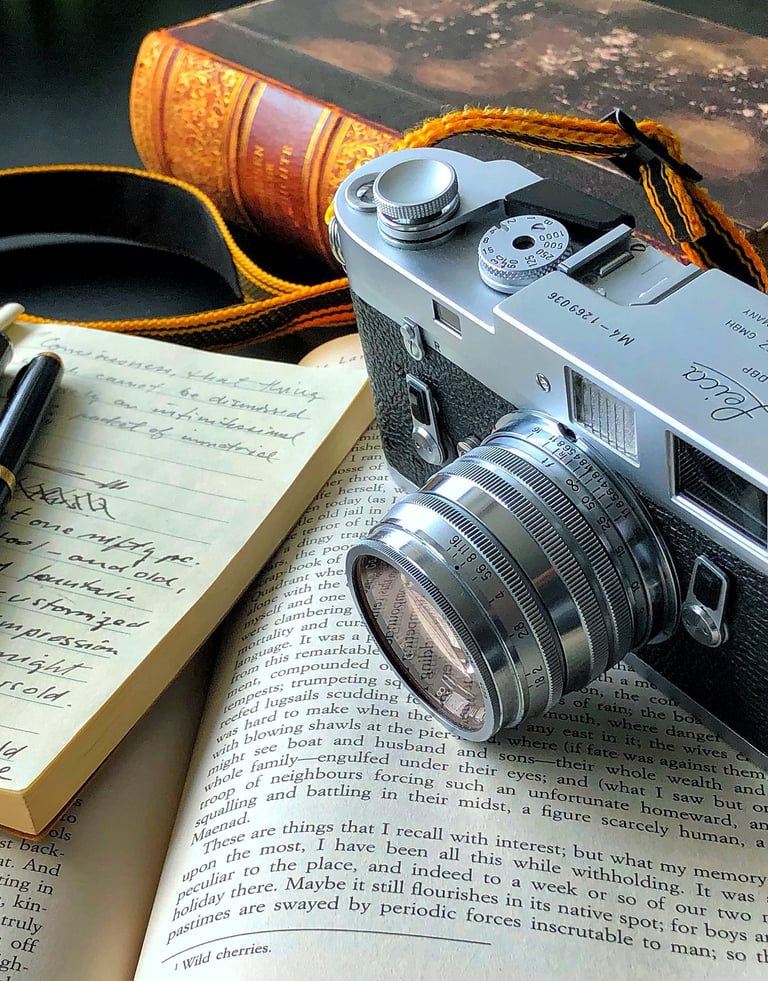
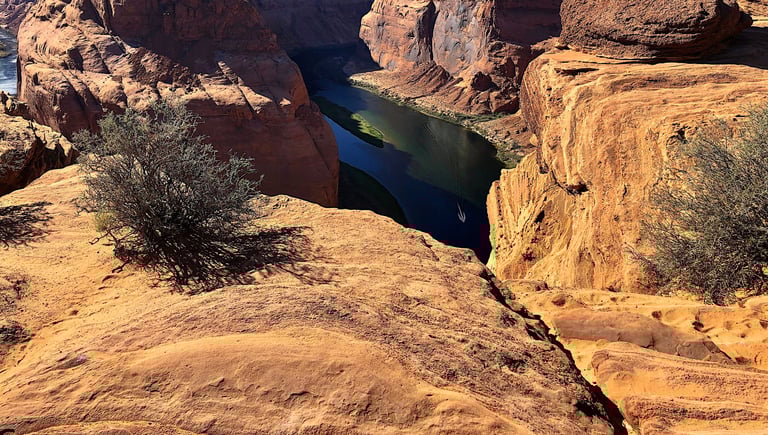
Photos Pam has taken to illustrate articles. See her Photography page for access to larger versions.
Travel Writing with a Twist
Travel Articles and Photos for Magazines, Newspapers, Periodicals, Web
The art, architecture, culture, and history of a city. The people of a region. The natural beauty of a landscape. That's what makes a place special, and that is what journalist Pam Blackstone enjoys writing about.
Pam travels a lot and she writes from first-hand experience. Powerful, evocative writing that resonates with readers and invites contemplation. She offers a fresh take on travel-related subjects; a unique perspective that embraces heritage, innovation, and human achievement.
Whether it's web content or a full-length magazine article, Pam can deliver. Iif your needs incline toward more conventional destination profiles, statistical snapshots, Best of ... or Top 10 ... round-ups, or a quick Getting There sidebar, she can do that too. Editors appreciate her dependability, professionalism, careful research, and respect for deadlines. Please see below for writing samples.
Rights Currently Available
Pam welcomes new assignments, and can offer you first rights to several as-yet unpublished articles on destinations ranging from Northern Europe (Brussels, Paris, Spain, Germany, Alsace) to Canada (Victoria, Vancouver Island, BC) and the American Southwest (Arizona, New Mexico, Colorado, Utah, Nevada). She is happy to provide excerpts and/or further information upon request. In addition, Pam offers a large selection of quality, high-resolution photographs, for use alone or to accompany articles. For more information, please email her at pb@weblens.org.
Writing Sample #1:
Western Odyssey:
A Road Trip Through the American West
(Excerpt, this unpublished piece is available!)
Spectacularly scenic, the Canyon de Chelly (pronounced de Shay) cuts a deep vertical chasm through the dry Arizona desert. The ancestors of the Navajo lived and farmed on the canyon floor for centuries. Their descendants continue to do so today, creating a sweeping green ribbon that contrasts with the sheer red cliff faces. If one looks carefully, one can spot crumbling remnants of ancient cliff dwellings, a close-up look at which requires scrambling over rocks and primitive trails that range in length from half a mile to almost three, in 100 degree heat.
The Petrified Forest, located on the edge of Arizona's famous Painted Desert, is another highlight of the region. Nature pulled out all the stops in creating this phenomenon, which dates back to the time of the dinosaurs. Rolling mounds of crumbling sandstone are subtly striped with pastel bands of white, grey, yellow, red, pink, brown, black, blue, and mauve. Hidden beneath the earth for millenia and unearthed by folding and erosion, fragments of a primordial past protrude unexpectedly from the desert's soft and colourful sandstone. Chunks of petrified wood are strewn about the landscape like so much flotsam, in some places in concentrations so thick you have to be careful not to trip over them. Entire logs lie, intact, on the surface of the desert as if placed there just yesterday. The crystalline innards of these stone monoliths have long since disintegrated, leaving the desert littered with agates and shards of quartz and jaspar. The temptation to pocket these treasures is immense, but strict penalties provide sufficient deterrence for most visitors. (More, please enquire ...)
Copyright © Pam Blackstone 2005.
Writing Sample #2:
A Colourful Cloth Tradition: the Textile Art of Panama's Kuna Indians
Think "Indian art" and images of intricate basketry, exquisite beadwork, or the massive wooden totems of the Pacific Northwest likely spring to mind. Or perhaps this term evokes bold Navajo designs executed in silver and turquoise, or the delicately detailed Acoma pottery of the American Southwest.
These rich artistic traditions reflect the cultural diversity and creative ingenuity of the world’s indigenous peoples. Yet perhaps nowhere is there a more colourful artistic tradition than the textile art of Panama’s remote Kuna Indians.
The Kuna live in San Blas, a 365-island archipelago off the Caribbean coast of Panama. Geographic isolation has enabled the Kuna to maintain their historic traditions. These Carib-descended people speak the ancient language of their ancestors and live off the bounty of the sea. They wear nose rings, adorn their bodies with strands of beads, and dress in colourful blouses bearing panels decorated with complex fabric designs called molas.
Kuna women hand-appliqué molas from strips of cloth dyed in vibrant, primary colours. Intricate and multi-layered, the reverse appliqué designs feature maze-like geometric patterns along with bird, fish, floral, and animal motifs.
Mola designs often derive from traditional Kuna legends. The geometric patterns are said to have evolved from ancient body painting practices. In fact, so intrinsic is the mola to Kuna culture that the attempted suppression of this traditional costume by the government of Panama spurred a rebellion that led to the legal recognition of Kuna Yala as a semi-autonomous territory.
The mola tradition is said to have originated in ancient times, although today’s molas are made from contemporary materials. Instructions for mola design and fabrication have been handed down from generation to generation. Some pieces can take weeks or even months to complete, with superb workmanship conferring high status among Kuna women.
Choosing and Displaying a MolaGay and colourful, the mola has become Panama’s most recognizable art form. Kuna women fashion molas into everything from tapestries and clothing for their own use to placemats, pot-holders, pillows, and purses for the tourist trade.
Quality, hand-crafted molas can be costly. According to the PanArt.com web site, quality is determined by number of layers; fineness of stitching; evenness and width of cut-outs; addition of zigzag borders, embroidery, and other embellishments; and general artistic merit of the design.
Unfinished molas are widely available and are great for framing or for use as a wall hanging. Molas are often sold in pairs, typically deriving from the front and back panels of a blouse. Since they are often variations on a theme, display matched molas together for greatest impact.
Mola panels that have been worn as part of traditional Kuna dress have greatest appeal to collectors. Such pieces may show signs of wear. This is not necessarily bad, as such imperfections can indicate that an item was not made solely for the tourist market.
And no, you don’t have to visit Panama to start your mola collection. These colourful works of art are available for sale through PanArt.com, along with other Panamanian indigenous art. You can also sometimes find molas on eBay. Just type the word “mola” and hang onto your credit card.
Copyright © Pam Blackstone 2005.